
In the face of increasingly complex natural disasters and emergency situations, intelligent rescue equipment has emerged as a game-changer in modern emergency response. Leveraging cutting-edge technologies such as artificial intelligence (AI), robotics, and advanced materials, these tools are transforming how rescue operations are conducted, enhancing efficiency, safety, and success rates. Let’s dive into the innovations driving this revolution and explore their impact on various rescue scenarios.
What Is Intelligent Rescue Equipment?
Intelligent rescue equipment refers to advanced tools and devices equipped with sensors, AI algorithms, and connectivity features that enable autonomous or semi-autonomous operation. These systems can analyze real-time data, adapt to dynamic conditions, and assist human responders in life-saving missions. Examples include:
-
Drones and Unmanned Aerial Vehicles (UAVs): For aerial surveillance, victim location, and delivery of rescue supplies.
-
Robotic Rescue Vehicles: Designed to navigate challenging terrains, such as collapsed buildings or flood zones.
-
Smart Wearables: Devices like AI-powered helmets or suits equipped with sensors to monitor responders’ health and environmental conditions.
-
IoT-Enabled Devices: Tools like connected life jackets that provide GPS tracking and real-time communication capabilities.
-
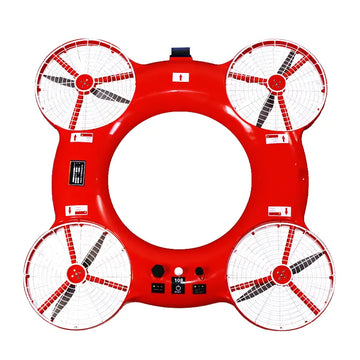
JX-6A Water Rescue Drone: A specialized water rescue drone designed for rapid response in aquatic emergencies, capable of locating victims, deploying life-saving devices, and providing real-time video feedback.
Innovations Driving Intelligent Rescue Equipment
-
Artificial Intelligence and Machine Learning
-
AI-powered systems can analyze vast amounts of data in seconds, identifying patterns and predicting hazards during rescue operations. For example, drones equipped with AI can detect signs of life in debris through thermal imaging and motion analysis.
-
-
Autonomous Navigation
-
Unmanned vehicles and drones can autonomously navigate through hazardous environments without putting human responders at risk. These systems use LiDAR, GPS, and computer vision to map and traverse complex terrains.
-
-
Advanced Communication Systems
-
Real-time communication enabled by IoT devices ensures seamless coordination among rescue teams. Smart devices like GPS-enabled life jackets can transmit the exact location of victims to rescue units.
-
-
Lightweight and Durable Materials
-
The integration of advanced materials, such as carbon fiber and high-strength polymers, ensures that rescue equipment is both lightweight and resilient, making it suitable for extreme conditions.
-
Applications of Intelligent Rescue Equipment
-
Flood and Water Rescue
-
Autonomous boats and drones equipped with thermal cameras can locate stranded individuals quickly. AI-driven water-rescue drones, such as the JX-6A Water Rescue Drone, can navigate to victims, deploy life-saving devices like flotation rings, and keep them afloat until further help arrives. The JX-6A’s ability to operate in rough waters and provide real-time video feeds significantly enhances rescue efficiency.
-
-
Earthquake and Building Collapse Rescue
-
Robotic crawlers and drones equipped with 3D mapping capabilities can access confined spaces and detect survivors under rubble. These devices reduce the time required for search and rescue, improving survival rates.
-
-
Wildfire Management
-
Drones with AI capabilities can monitor fire spread in real time, helping firefighters strategize their response. Autonomous vehicles can also deliver water or fire suppressants to hard-to-reach areas.
-
-
Urban Rescue Missions
-
Smart wearables, such as helmets with integrated cameras and communication systems, provide first responders with critical information, such as air quality and structural integrity.
-
The Benefits of Intelligent Rescue Equipment
-
Enhanced Safety: Minimizes risks to human responders by deploying autonomous systems in hazardous environments.
-
Increased Efficiency: Reduces response times with real-time data analysis and faster victim location.
-
Scalability: Flexible deployment options allow for quick adaptation to different disaster scenarios.
-
Cost-Effectiveness: While initial investment may be high, the long-term operational efficiency and reduced need for manual intervention offset the costs.
Challenges and Future Prospects
Despite its numerous advantages, intelligent rescue equipment faces challenges such as high development costs, the need for reliable power sources, and ethical concerns surrounding AI decision-making in critical situations. However, ongoing advancements in technology and increased funding for disaster preparedness are expected to address these hurdles.
Looking ahead, the integration of 5G connectivity, edge computing, and more sophisticated AI models will further enhance the capabilities of intelligent rescue equipment. Governments, NGOs, and private sectors must collaborate to ensure the widespread adoption of these life-saving technologies.
Conclusion
Intelligent rescue equipment is revolutionizing the field of emergency response, offering unparalleled capabilities in addressing natural disasters, accidents, and other emergencies. By leveraging AI, robotics, and advanced communication systems, these tools not only save lives but also empower responders to perform their duties more safely and efficiently. The inclusion of specialized tools like the JX-6A Water Rescue Drone demonstrates how innovation is bridging the gap between human effort and technology. As technology continues to evolve, intelligent rescue equipment will undoubtedly play an even more critical role in building a safer and more resilient world.


